Generative Engine Optimization
How to Get Your Business Recommended by ChatGPT
When someone asks ChatGPT for a recommendation, it doesn't check a paid directory. It searches the web, weighs what it finds and names the businesses the evidence supports. Here's how to become part of that evidence.

Sheikh Sadikur, SEO, AEO & GEO consultant
Published · 9 min read
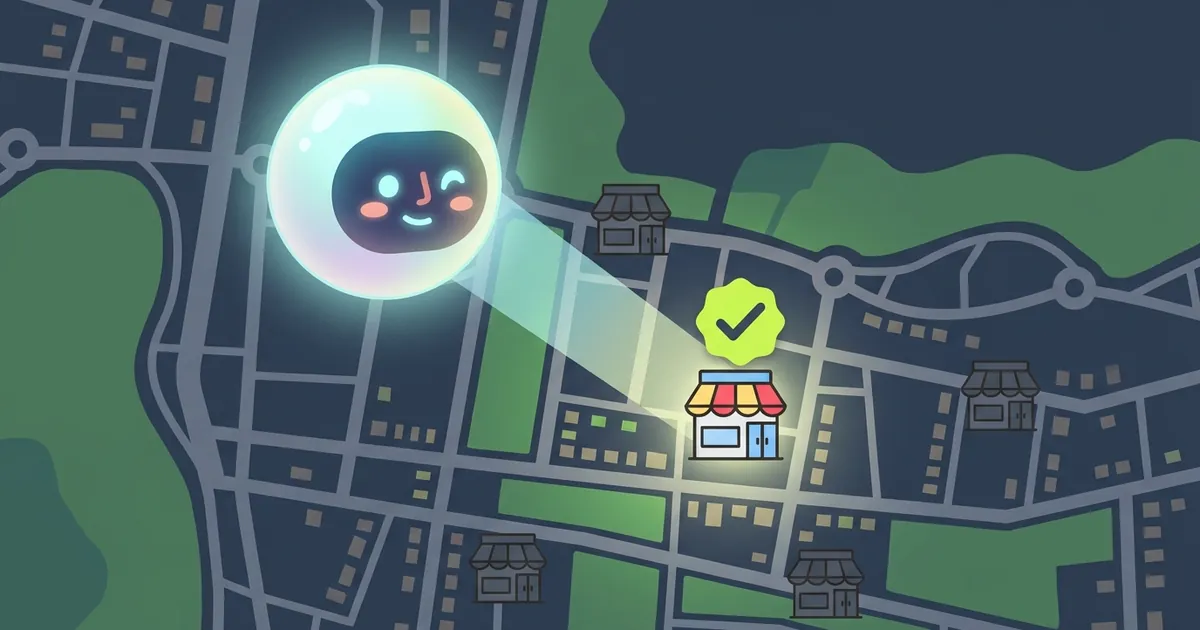
ChatGPT recommends businesses by searching the web at answer time, reading the sources it finds and naming the businesses those sources consistently support. To be recommended, your site must be reachable by OpenAI's search crawler, your business must be easy to identify and describe, and independent sources such as reviews, directories and articles must confirm what you say about yourself.
I get asked about this more than any other AI search question, usually by business owners who typed "best [their service] in [their city]" into ChatGPT and didn't see their name. The good news: the factors are understandable and mostly within your control. The bad news: there's no shortcut, and the businesses selling "guaranteed ChatGPT ranking" are selling something that doesn't exist.
How ChatGPT finds information
ChatGPT can answer in two ways:
- From its training data, which reflects the web up to a cut-off date and gives it general knowledge about well-known brands and topics.
- With search, where it looks things up on the live web, reads the pages it retrieves and cites them.
For recommendation questions such as "who is a good SEO consultant in Dhaka" or "which roofing company near Fort Lauderdale has good reviews", current products typically use search, because the answer depends on up-to-date information. That means your live web presence matters more than whether you were in the training data.
OpenAI documents three relevant user agents:
| User agent | What it does |
|---|---|
| OAI-SearchBot | Crawls pages for ChatGPT's search features |
| ChatGPT-User | Fetches pages when a user or action requests them during a conversation |
| GPTBot | Crawls content that may be used to train models |
Blocking OAI-SearchBot is the most direct way to stay out of ChatGPT search results. Blocking GPTBot affects training, not search. I explain the trade-offs and the exact robots.txt rules in AI crawlers, robots.txt and llms.txt.
Step 1: make sure ChatGPT can reach you
Most of the "why doesn't ChatGPT know us" cases I investigate start with access problems:
- robots.txt blocks that were added to stop AI training and accidentally blocked search crawlers too.
- CDN or firewall rules that challenge unknown bots with a CAPTCHA or block them outright.
- JavaScript-only content that a crawler doesn't render.
- No Bing presence. ChatGPT search has used third-party providers alongside its own crawling, and Bing has historically been one of them. A site that isn't indexed in Bing loses a route to being found.
Fixes:
- Check robots.txt allows
OAI-SearchBotandChatGPT-User. - Check your CDN or security plugin logs for blocked requests from those agents.
- Verify the site in Bing Webmaster Tools, submit your sitemap, and check for crawl errors.
- Make sure key content is in the server-rendered HTML.
A full technical SEO audit covers all four.
Step 2: make your business easy to identify
When ChatGPT reads about your business across several sources, it's assembling a picture of an entity: who you are, what you do, where you operate and who you serve. Conflicting information makes that picture blurry.
Common conflicts I find:
- Different business names (with and without "Ltd", old brand names, keyword-stuffed names).
- An old address on directories after a move.
- Different service descriptions on the website, LinkedIn and Facebook.
- Missing or vague "about" information on the site itself.
Fix it by writing one canonical description, two or three sentences that state your name, what you do, where and for whom, and using it everywhere: website, Google Business Profile, LinkedIn, social bios, directories. Then connect your profiles with Organization or Person schema and sameAs links. The step-by-step method is in my entity SEO guide.
Step 3: publish pages that answer recommendation questions
When ChatGPT searches for "best X in Y", it reads pages that directly address that kind of question. Your site should make it easy to extract:
- What you do, in plain words, near the top of the homepage and service pages.
- Where you work: cities, regions or "worldwide", stated clearly.
- Who you serve: types of clients and typical problems.
- Proof: numbers from real projects, client reviews, years of experience.
- Answers to buyer questions: pricing approach, timelines, process, what makes you different.
On my own site, every service page starts with a direct answer to "what is this service", followed by signs you need it, what's included, process, proof from case studies, pricing and FAQs. That structure exists so both people and AI systems can lift accurate facts quickly. The writing approach is in the AEO guide.
Step 4: earn independent corroboration
This is the part businesses most often skip, and it's usually what decides recommendations. ChatGPT is more confident naming a business when other sources say the same positive, specific things about it.
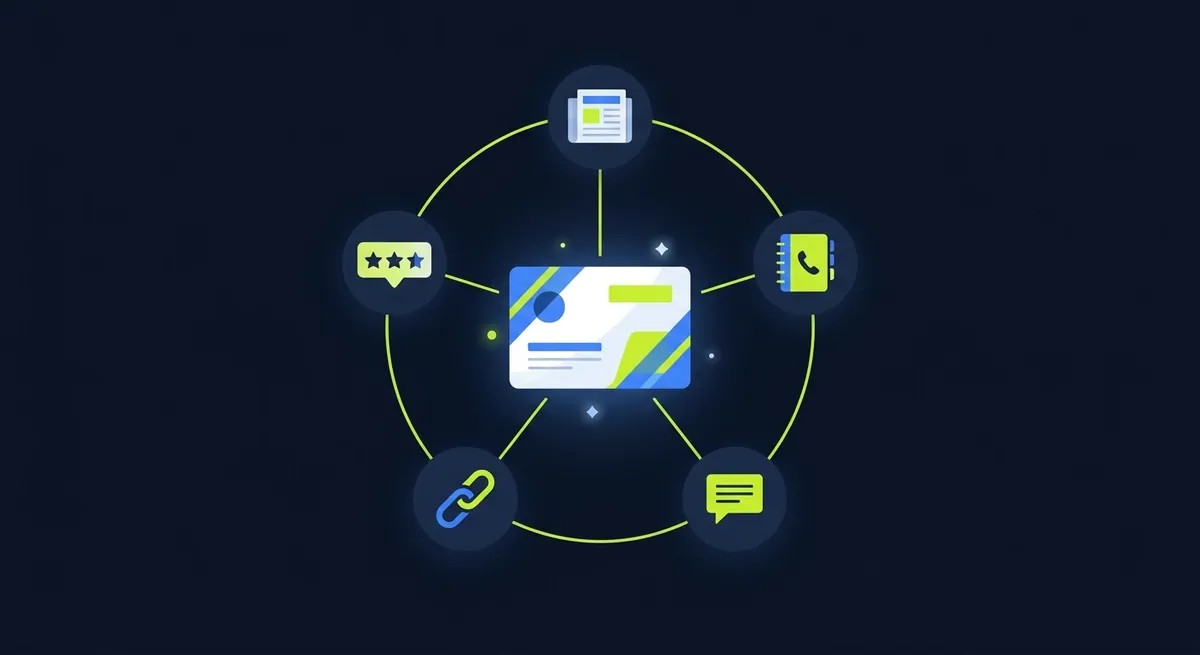
Sources that act as corroboration:
- Reviews on Google, industry platforms and marketplaces. For example, my Fiverr profile shows a 5.0 rating from 161 reviews, which is an independent signal anyone, including an AI system, can check.
- Directory and listing sites relevant to your industry, with consistent details.
- Editorial mentions: quotes in articles, interviews, podcasts, "best of" roundups by credible publishers.
- Community discussion: genuine recommendations on forums and Q&A sites.
- Links from relevant sites, which also strengthen classic SEO.
My approach to earning these is in link building for AI search. The short version: focus on being quoted and reviewed, not on collecting links for their own sake.
Step 5: be specific about your niche and location
Generic businesses are hard to recommend. Specific ones are easy. Compare:
- "We offer digital marketing services."
- "SEO, AEO and GEO consultant in Dhaka, Bangladesh, specializing in technical audits and toxic backlink cleanup for small businesses in the US and Bangladesh."
The second gives a model clear hooks for questions about location, service type and specialty. The more precisely your content and profiles describe what you're best at, the more likely you are to match the precise questions buyers ask.
Step 6: test and track
Because answers vary by wording, location and run, I track recommendations systematically rather than relying on one search:
- Write 20 to 30 prompts buyers would realistically use, in different phrasings.
- Run them monthly in ChatGPT with search enabled, ideally from a logged-out or fresh session.
- Record whether your business is named, how it's described and which sources are cited.
- Note which competitors appear and which sources ChatGPT cites for them. Those sources are your outreach targets.
- Check analytics for referral traffic from ChatGPT.
The full system, including how to read the results, is in how to measure AI search visibility.
Audit what ChatGPT says about you in 30 minutes
Before changing anything, find out where you stand. This quick audit gives you a baseline and a to-do list.
- Ask about your brand directly. "What is [business name]?" and "What does [business name] do?" with search enabled. Note whether the description is accurate, outdated or missing.
- Ask a recommendation question. "Who are the best [service] providers in [location]?" in three different phrasings. Note who is named and which sources are cited.
- Ask a comparison question. "[Your business] vs [competitor]". See which facts ChatGPT uses about each.
- Open every cited source. For each competitor that was named, look at where the information came from: directories, review sites, articles, their own pages.
- Check your own listings on those sources. If a directory that ChatGPT cites for competitors doesn't list you, or lists you with old details, that's a concrete fix.
- Check your crawler access. Look at robots.txt and your CDN or firewall settings for OAI-SearchBot.
Write down what you found. When you repeat the audit in a month, you'll know whether anything changed and why.
Content types that get cited for recommendation questions
When I look at the sources ChatGPT cites for "best X in Y" questions across client markets, the same content types come up again and again:
- Review and directory profiles with complete, consistent information and recent reviews.
- Editorial roundups on credible sites that explain why each business is included, not just a list of names.
- Service pages that state location, specialty and proof in the first few lines.
- Case studies with specific numbers and situations, which give the model concrete reasons to recommend.
- Comparison and guide content that helps buyers choose, published by businesses that clearly know the field.
This is why I publish anonymized case studies with exact figures and answer-first service pages. They give any reader, human or machine, specific facts to repeat. Generic "about us" pages and stock-photo service descriptions rarely get cited for anything.
One more pattern: sources that are balanced get cited more for comparison questions. A guide that fairly explains when a customer should choose a different type of provider is more trustworthy than one that only promotes itself, and models seem to treat it that way.
What doesn't work
- Paying for "ChatGPT placement". There is no advertiser program that guarantees organic recommendations in ChatGPT answers.
- Asking ChatGPT to remember you. Telling it about your business in a chat doesn't change what it tells other users.
- Fake reviews and self-written "best of" lists. They're risky on every platform and tend to be discounted.
- Keyword-stuffed business names. They violate Google Business Profile guidelines and make your entity less clear, not more.
- Hiding your prices, location and process. Vague pages give a model nothing concrete to repeat.
A local business example
Imagine a roofing contractor in South Florida who wants to be recommended for "reliable roofer for storm damage repair in Broward County".
What I'd check and fix:
- Access: OAI-SearchBot allowed, site indexed in Google and Bing, service pages server-rendered.
- Entity: identical name, phone and service area on the website, Google Business Profile, Bing Places, Yelp and industry directories.
- Content: a storm damage repair page that states service areas, the inspection process, insurance claim support and typical timelines, answer-first, with FAQs.
- Proof: recent reviews that mention storm repairs and the areas served, photos of real jobs, licensing details.
- Corroboration: mentions from local news, community groups and trade associations.
- Link hygiene: spam link spikes reviewed and disavowed when needed. A real roofing client of mine was hit by 633 new toxic domains in one spike and went from 83% toxic referring domains to 0% after a hand-reviewed disavow (case study).
None of these steps is specific to ChatGPT, and that's the point. The same evidence that earns trust from people and search engines earns recommendations from AI.
Outside the US: Bangladesh and other markets
Most advice about AI recommendations assumes a US business with dozens of review platforms and local news sites. In markets like Bangladesh, the sources ChatGPT can find are thinner, which cuts both ways.
The challenge is that there are fewer established directories and review sites to corroborate a business. The opportunity is that the bar is lower: a business with a clear English-language website, a complete Google Business Profile, consistent social profiles and a few genuine third-party mentions can stand out quickly, because many competitors have none of those.
Two practical tips for Bangladeshi businesses: publish your key pages in English as well as Bangla, so you can be found for questions asked in either language, and make sure your business name is spelled the same way in English everywhere. I cover the local side in more depth in SEO in Bangladesh.
Frequently asked questions
Can I pay to be recommended by ChatGPT?
No organic recommendation in ChatGPT's answers can be bought. Recommendations come from what ChatGPT finds when it searches the web and from what it learned during training. Anyone offering guaranteed placement is selling a guess, not a service.
Should I block GPTBot?
Blocking GPTBot stops your content from being used for model training but doesn't remove you from ChatGPT search. The crawler that matters for search is OAI-SearchBot. Many businesses allow both; publishers protecting paid content often block GPTBot and allow OAI-SearchBot.
Why does ChatGPT recommend my competitor and not me?
Usually because there's more consistent, independent evidence about them online: more reviews, more mentions, clearer service pages or better Bing visibility. Check which sources ChatGPT cites when it names them. Those sources show what you're missing.
How long does it take to get recommended?
Access fixes can take effect as soon as pages are recrawled. Building enough reviews, mentions and consistent listings for regular recommendations usually takes several months of steady work, depending on how competitive your market is.
Does ChatGPT use Google rankings?
Not directly. ChatGPT search uses OpenAI's own crawling and third-party search providers. Strong Google rankings often correlate with being found, because the same quality signals help everywhere, but Bing visibility and crawler access matter separately.